Tariffs, Terroir, and Tough Choices: The Trade War Nobody Warned Craft Brewers About
When most people think about trade wars, they picture container ships, steel mills, or soybean farmers staring at empty futures markets. Craft beer doesn't exactly leap to mind. But walk into any small-batch brewery in America right now and ask the head brewer about ingredient costs, and you'll hear a version of the same story: everything is more expensive, the supply chain is unpredictable, and the math is getting harder every season.
The hop trade, in particular, has become a full-on battlefield — and the casualties are showing up on tap lists and price tags across the country.
The Global Hop Market Is More Fragile Than You Think
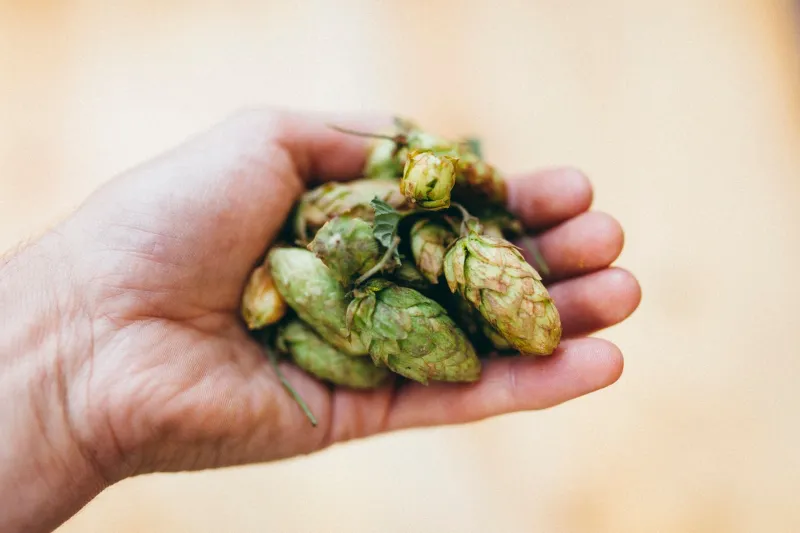
Hops are a surprisingly international commodity. While the Pacific Northwest — especially Washington's Yakima Valley — produces a significant share of the world's supply, many of the most sought-after varieties come from Germany, the Czech Republic, New Zealand, and Slovenia. American craft brewers have spent decades building recipes around imported varietals like Hallertau Mittelfrüh, Saaz, and Nelson Sauvin. These aren't just ingredients; they're flavor profiles that define entire beer categories.
When tariffs on European agricultural products fluctuate — as they have repeatedly over the past several years — the cost of those imported hops swings with them. A small brewery ordering a few hundred pounds of Hallertau for a seasonal lager can see its ingredient budget jump by 20 to 30 percent almost overnight. For a business already operating on razor-thin margins, that's not a rounding error. That's a crisis.
"We're not Amazon," says one brewer from a 10-barrel operation in the mid-Atlantic region. "We can't just absorb it and move on. Every tariff increase is a conversation about whether we raise prices, shrink our batch size, or cut that beer from the lineup entirely."
Doubling Down on Domestic
For some breweries, the trade turbulence has accelerated a shift that was already underway: a full embrace of American-grown hops. The domestic hop industry has exploded in variety and sophistication over the past decade, with newer cultivars like Citra, Mosaic, Simcoe, and Sabro giving brewers plenty of room to experiment without crossing an ocean.
Breweries in states like Oregon, Colorado, and Michigan have been particularly aggressive about building direct relationships with domestic hop farms — sometimes locking in multi-year contracts to hedge against price volatility. It's a strategy that requires upfront commitment, but it insulates a brewery from the worst of the tariff whiplash.
The bonus? There's a marketing story in it. Consumers increasingly respond to "locally sourced" messaging, and a brewer who can point to a specific farm two counties over has a compelling narrative to tell alongside a compelling beer.
When Hops Aren't the Only Answer
Other brewers are taking a more radical approach: rethinking the role of hops altogether. The craft beer world has always had an adventurous streak, and trade pressures are pushing some brewers to lean harder into alternative bittering and aromatic agents — things like yarrow, spruce tips, heather, and even certain citrus peels.
This isn't as fringe as it sounds. Many of these ingredients were standard in pre-prohibition American brewing, before the hop industry consolidated its grip on the market. A handful of breweries are now deliberately framing their pivot away from imported hops as a return to historical authenticity — and finding that drinkers are genuinely curious about the results.
It's not a wholesale replacement for hops, and nobody's pretending otherwise. But as a way to reduce dependence on vulnerable supply chains while still delivering interesting, complex beers? It's a legitimate strategy.
The Aluminum Problem Nobody's Talking About
Hops aren't the only input getting squeezed. Aluminum tariffs — which have bounced around significantly in recent years — hit craft breweries in a different but equally painful way. Cans have become the dominant packaging format for American craft beer, and when aluminum prices spike, the cost per unit climbs fast.
Smaller breweries that don't have the purchasing power to buy aluminum in bulk are especially exposed. Some have responded by pivoting back toward bottles or draft-only releases. Others have quietly reduced can sizes or cut back on seasonal packaging runs. None of these are ideal solutions, but they're the kind of pragmatic adjustments that define how small businesses survive.
What This Means for Your Wallet (and Your Glass)
Here's the honest bottom line for beer drinkers: prices are going up, and they're not coming back down. The era of the $12 four-pack of premium craft IPA is giving way to the $14 or $15 four-pack, and that shift is being driven at least in part by trade policy that most consumers never think about when they're standing in front of a beer cooler.
But there's a more interesting story underneath the price tags. The breweries navigating this landscape most creatively are producing beers that reflect their constraints — leaning into domestic ingredients, experimenting with unconventional botanicals, and building tighter relationships with local farms. Some of the most exciting beers coming out of American craft right now are a direct response to supply chain pressure.
Trade wars are ugly, and nobody in the craft beer world asked for this fight. But American brewers have always been scrappy. If history is any guide, they'll find a way to turn the chaos into something worth drinking.