Beyond the Pint Glass: How Craft Breweries Are Writing the New American Cookbook

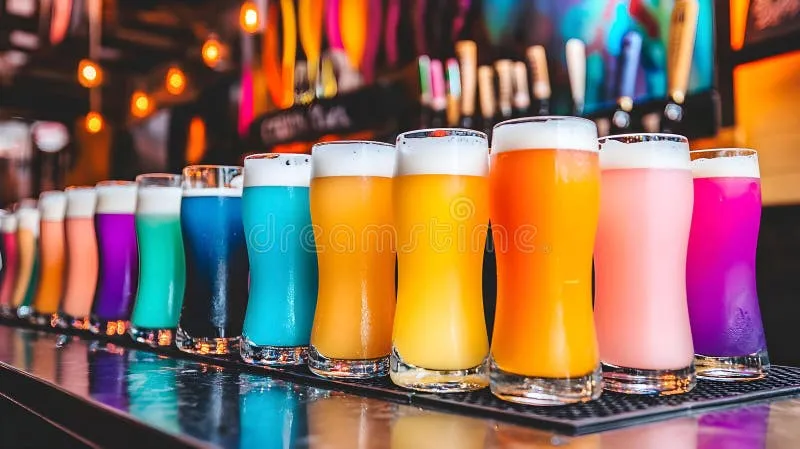
Photo: craft brewery chef cooking with beer in kitchen, via i.ytimg.com
For decades, the conversation around beer and food stopped at pairing. You ordered a stout with your chocolate cake, grabbed a wheat beer alongside your fish tacos, and called it a night. Smart, sure. But brewers across the country have started asking a louder question: what if beer wasn't just beside the food — what if it was the food?
The craft brewery cookbook revolution is real, it's delicious, and it's quietly rewriting how Americans think about cooking with fermented grain.
From Taproom to Kitchen Counter
It started, like most good things in craft beer, with a little experimentation and a refusal to color inside the lines. A handful of breweries began noticing something obvious in hindsight: the same complex flavor profiles that made their beers interesting to drink — roasted malts, citrusy hops, funky yeast notes — made them extraordinary cooking ingredients.
Sierra Nevada Brewing Company out of Chico, California, was among the early adopters, weaving beer into recipes shared with their community long before the cookbook trend picked up steam. But over the last several years, the movement has exploded. Breweries like Dogfish Head in Delaware and New Belgium in Fort Collins, Colorado have gone full culinary, partnering with chefs and food writers to develop recipes where beer isn't a garnish — it's load-bearing.
New Belgium's culinary collaborations, for instance, have produced everything from Fat Tire-braised lamb shanks to abbey ale fondue. These aren't novelty recipes meant to move merchandise. They're genuinely thoughtful dishes built around what beer actually contributes chemically and flavor-wise to a recipe.
What Beer Actually Does in a Pan
Here's the thing a lot of home cooks don't realize: beer is an incredibly versatile cooking liquid. It's acidic enough to tenderize proteins, bitter enough to balance rich fats, and complex enough to build depth in sauces that wine and stock simply can't replicate.
Take IPAs. That aggressive hop bitterness, which can be polarizing in a glass, becomes a fascinating counterpoint to sweet glazes when reduced over heat. Brush an IPA-honey glaze on salmon before roasting it, and the bitterness cuts through the richness of the fish in a way that feels almost architectural.
Stouts and porters, on the other hand, are basically liquid umami bombs. Their roasted malt character deepens beef braises, adds a subtle smokiness to chili, and — famously — makes chocolate cakes richer and more complex than any cocoa-only recipe can manage. Guinness has been the go-to for stout baking for years, but craft options from breweries like Founders (KBS, anyone?) or Oskar Blues take the concept somewhere truly next-level.
Wheat beers and saisons bring a lighter touch — floral, spicy, and slightly fruity — making them ideal for steaming mussels, deglazing pan sauces for chicken, or even working into salad dressings where you want brightness without full-on vinegar sharpness.
The Breweries Actually Publishing the Goods
Several craft producers have gone all in on the cookbook format, and the results are worth tracking down.
The Brooklyn Brewery published The Brooklyn Brewery Table a few years back, a full-on food and beer culture tome that blends tasting notes with recipes developed alongside the brewery's culinary collaborators. It's the kind of book you actually cook from, not just display on your coffee table.
Allagash Brewing in Portland, Maine has leaned heavily into food content through their digital channels and events, pairing their Belgian-inspired lineup with dishes that honor both French-Belgian culinary traditions and New England ingredients. Their white ale works with raw oysters in a way that borders on transcendent.
On the West Coast, Russian River Brewing has built an entire culture around food-and-beer experiences at their Santa Rosa and Windsor locations, with staff trained to walk guests through how Pliny the Elder or Blind Pig IPA interact with specific menu items — not just alongside them, but as actual components in the kitchen.
Chefs Are Coming to the Brewery, Too
The collaboration street runs both ways. Increasingly, restaurant chefs are seeking out brewery partnerships to source ingredients — spent grain for bread, hop-infused oils, yeast strains for fermented condiments. The line between the professional kitchen and the professional brewery is getting genuinely blurry.
Chef Sean Paxton, widely known as the Homebrew Chef, has spent years evangelizing beer as a culinary ingredient, consulting with breweries and writing extensively about technique. His core argument is simple: every style of beer has a culinary identity, and once you understand that identity, you can deploy it the same way a trained cook deploys stock or acid or fat.
That framing has caught on. Culinary schools in cities like Chicago, Portland, and Austin have started incorporating beer education into their programs — not just as a service industry add-on, but as a legitimate flavor science module.
Try It at Home: A Dead-Simple Starting Point
If you want to dip your toes into beer-forward cooking without committing to a full cookbook purchase, here's a reliable entry point: amber ale pan sauce.
After searing a pork chop or chicken thigh in a cast iron skillet, pull the protein and pour in about half a cup of a malty amber ale (something like Tröegs Nugget Nectar or Bell's Amber Ale works beautifully). Scrape up the fond, add a minced shallot, reduce by half, then finish with a tablespoon of cold butter and a pinch of fresh thyme. That's it. The caramel malt notes in the beer tie directly to the browned bits in the pan, creating a sauce with way more complexity than the effort suggests.
It's a two-minute technique that will immediately change how you think about what's sitting in your fridge.
The Bigger Picture
What makes this cookbook revolution genuinely exciting isn't just the recipes — it's the cultural shift underneath them. Craft beer has always been about pushing back against the idea that beer is a simple, unsophisticated product. Bringing it into the kitchen, treating it with the same respect a sommelier gives a bottle of Burgundy, is the logical extension of that argument.
Breweries that publish cookbooks, host cooking classes, or partner with chefs aren't just selling more product. They're making a statement about what beer deserves to be. And honestly? The food tastes incredible.
So next time you crack open something special, pour a little in the pan. The pint glass will still be there waiting.