Bottled in Time: The Breweries and Obsessives Keeping Beer History from Disappearing
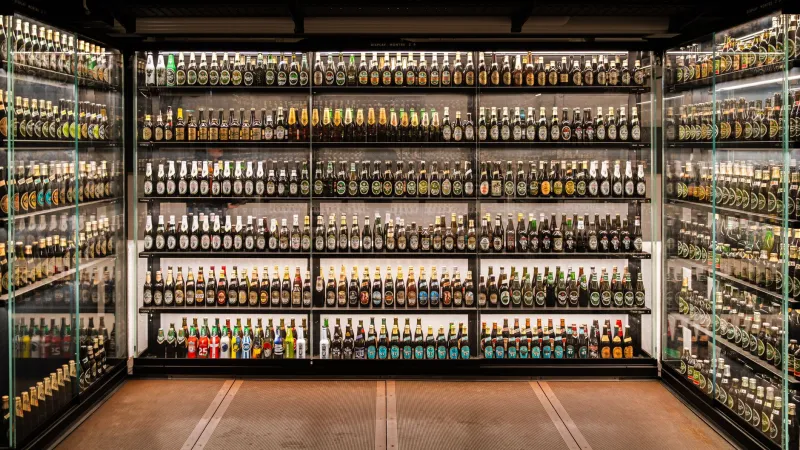
Somewhere in a climate-controlled back room at a small craft brewery in the Midwest, there are bottles of beer that nobody will ever drink. They're sealed, labeled, and catalogued with the kind of care you'd expect from a rare book library. Some are decades old. A few are older than that. None of them are particularly valuable in a financial sense. But to the brewer who collected them, they're irreplaceable.
"Every one of those bottles tells you something about what people wanted at a specific moment in time," she says, carefully rotating a dusty stubby from a now-defunct regional lager producer. "And once that's gone, it's gone."
This is the world of beer preservation — part history project, part obsession, and increasingly, part of the identity of a growing number of American craft breweries.
Labels as Primary Sources
Before there were tasting notes and untappd reviews, there were labels. And for beer historians, those labels are gold.
The graphic design of a beer label encodes an enormous amount of information — the era it was produced in, the regional identity the brewery was projecting, the marketing assumptions of the time, even the regulatory environment that shaped what could and couldn't be printed on a bottle. A pre-Prohibition label from a St. Louis lager house looks nothing like a 1970s regional pilsner from the Southeast, which in turn looks nothing like an early 1990s craft beer label from the Pacific Northwest. Each one is a document.
Some collectors focus exclusively on labels, maintaining flat-file archives that run into the thousands. Others keep the bottles intact, arguing that the physical object — glass, closure, fill level — carries context that a scan can't replicate. A handful of craft breweries have started formally cataloguing both, treating their collections as genuine archives rather than decorative bar clutter.
The American Breweriana Association has been doing this kind of work for decades, but what's newer is the involvement of active, producing breweries — places that are simultaneously making beer today and curating evidence of how it was made yesterday.
Recreating the Dead: Recipe Archaeology
Archiving old bottles is one thing. Bringing the beer inside them back to life is another challenge entirely.
A growing number of craft brewers have taken to what might be called recipe archaeology — digging through old brewing logs, newspaper archives, agricultural records, and even personal correspondence to reconstruct beers that haven't been produced in generations. It's painstaking work, full of educated guesses and dead ends, but the results can be genuinely revelatory.
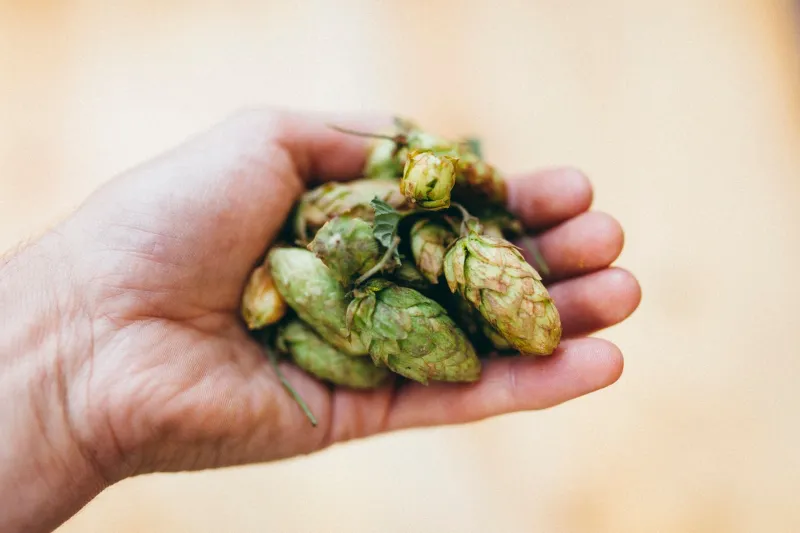
One brewer in New England spent the better part of two years reconstructing a late-1800s New England farmhouse ale, cross-referencing hop variety records with period agricultural catalogs and tracking down a heritage grain strain through a university extension program. The resulting beer tasted unlike anything on the modern market — earthier, more complex, with a funkiness that no contemporary yeast strain quite replicates.
"People tasted it and kept asking what style it was," he recalls. "I kept telling them: it's not a style anymore. It's a ghost."
That kind of work isn't just academically interesting. It actively expands the vocabulary of American brewing by demonstrating that the current craft canon — as rich as it is — represents only a fraction of what's been possible.
The Museum Question
As these collections grow, a practical question keeps coming up: where does it all live?
A few breweries have solved this by building dedicated display spaces into their taprooms — essentially small beer museums embedded within working production facilities. Done well, these spaces create a genuinely compelling visitor experience, giving drinkers historical context for what they're tasting while showcasing the brewery's commitment to something larger than next quarter's tap list.
The American Craft Beer Museum concept has been floated in various forms for years, and while a permanent standalone institution hasn't yet materialized in any major way, the distributed model — collections spread across dozens of breweries, homebrew clubs, and private collectors — has its own organic appeal. It's decentralized, community-driven, and deeply tied to the regional identities that make American beer culture so varied and interesting.
Some collectors worry about fragmentation. Without central cataloguing, it's impossible to know what's been preserved and what's been lost. A valuable archive in a brewery that closes — and breweries do close — can disappear into an estate sale or a dumpster. The preservation community has been quietly pushing for better documentation standards, shared digital databases, and succession planning for private collections.
Why It Matters Right Now
There's an argument to be made that beer history is especially urgent to preserve at this particular moment. The craft beer industry is in a period of consolidation and contraction. Breweries that opened in the boom years of the 2010s are closing at a significant rate, and with them go brewing logs, house yeast strains, signature recipes, and institutional memory.
The breweries and collectors doing preservation work are, in a real sense, running against the clock. Every year, more of the physical record disappears — bottles broken, labels deteriorating, former brewers passing away without ever writing down what they knew.
But there's also something genuinely hopeful about this movement. The people involved in it aren't motivated by nostalgia for its own sake. They believe — convincingly — that the future of American brewing is richer when it's informed by the full depth of its past. The next great American beer style might be hiding in a dusty archive somewhere, waiting for the right brewer to find it.