From Combat Boots to Brew Boots: How Veteran Brewmasters Are Rewriting the Craft Beer Rulebook
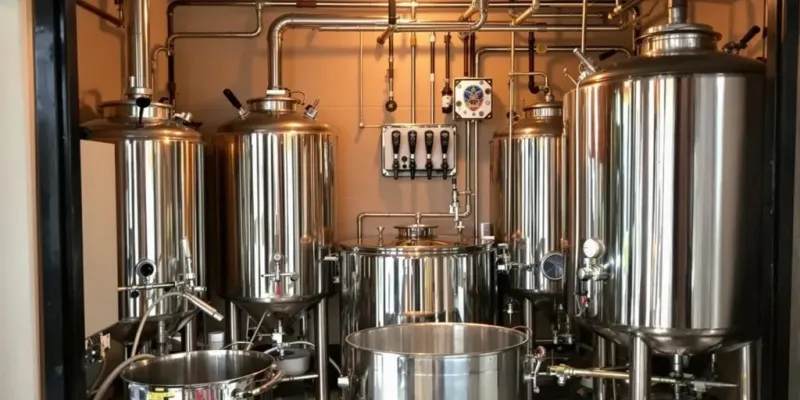
Photo: veteran brewmaster craft brewery taproom brewing equipment, via www.micetcraft.com
There's a moment in every brew day when things can go sideways. A stuck fermentation, a hop shipment that never showed, a taproom event that suddenly doubled in expected attendance. For most brewers, that's a stressful afternoon. For brewmasters who've served in the military, it's Tuesday.
Across the country, a quietly growing cohort of veteran-owned and veteran-operated craft breweries is doing something interesting — they're applying the same principles that guided them through deployments, logistics operations, and unit leadership to the surprisingly complex world of making and selling beer. The crossover isn't just symbolic. It's strategic, practical, and producing some genuinely excellent craft beer in the process.
Discipline as a Brewing Philosophy
Ask any seasoned brewmaster what separates a good beer from a great one, and consistency will come up within the first two sentences. That's where veterans tend to have a natural edge.
Military service is, at its core, a years-long immersion in standardized process. Every task has a protocol. Every protocol has a reason. That mindset maps onto brewing with almost eerie precision — especially when you're trying to reproduce a flagship recipe batch after batch across different seasons, water profiles, and yeast generations.
Veteran brewers often talk about something their military colleagues would immediately recognize: the after-action review. In the service, after any significant operation, units sit down and honestly assess what worked, what didn't, and why. Applied to the brewhouse, this becomes a rigorous post-batch debrief — reviewing fermentation logs, tasting notes, and process deviations to tighten the recipe for next time. It sounds basic, but plenty of craft breweries skip this step entirely. The ones that don't tend to produce more reliable, more refined beer.
Resource Management Under Pressure
Running a small brewery is a masterclass in doing more with less. Grain bills need to stretch. Hops — especially experimental varieties — are often allocated in limited quantities. Tanks don't multiply on demand. Veteran brewers who've managed supply chains in resource-constrained environments tend to treat these challenges less like crises and more like puzzles with known solutions.
One approach that's gained traction in veteran-run taprooms is what some call "mission-essential brewing" — a philosophy borrowed loosely from military prioritization frameworks. Instead of chasing every new trend or releasing a new beer every two weeks, these brewers identify their core lineup, protect those recipes fiercely, and innovate only when they have the capacity to do it right. It's a counterintuitive move in an industry obsessed with novelty, but it builds the kind of loyal customer base that sustains a brewery through slow seasons.
This also extends to equipment decisions. Rather than over-investing in capacity they can't yet fill, many veteran brewers stage their growth deliberately — adding tanks incrementally, testing new markets before committing to distribution, and building financial reserves before expanding. Sound familiar? It's essentially the military concept of not overextending your supply lines.
Team Building Behind the Bar
Here's something the craft beer industry doesn't talk about enough: turnover is brutal. Taproom staff cycle through quickly, and brewing assistants often leave the moment they feel confident enough to go elsewhere. Building a team that actually sticks together — and functions well under the pressure of a packed Friday night — is genuinely hard.
Veteran brewmasters tend to approach team-building differently. They're often more comfortable with structured onboarding, clear role definitions, and what amounts to a chain of accountability without making it feel authoritarian. People know what they're responsible for. They know who to loop in when something goes wrong. That clarity reduces friction and, maybe more importantly, it makes new employees feel less lost.
There's also a culture piece. Many veteran-owned breweries actively recruit other veterans or create environments where that kind of mission-driven team identity can take root. The result is often a taproom staff with unusual cohesion — the kind you notice as a customer, even if you can't quite put your finger on why the service feels different.
Brewing Through Adversity
The craft beer industry has been through a rough stretch. Post-pandemic supply chain chaos, ingredient cost spikes, and a cooling of the once-explosive taproom boom have forced a lot of breweries to make hard calls. Some haven't made it.
Veteran brewmasters, broadly speaking, have shown a resilience that tracks with their backgrounds. Adapting to changed conditions isn't a disruption — it's an expected part of the operation. When CO2 prices spiked, some pivoted to canning lines that required less gas. When barley costs jumped, they reformulated recipes to lean harder on adjuncts or local grain sources they'd already been quietly cultivating relationships with.
That last point is worth emphasizing: relationship-building. Military culture prizes loyalty and long-term trust over transactional convenience. In the brewing world, that translates into tighter partnerships with local maltsters, hop farms, and even neighboring breweries. Collaboration releases — once considered a marketing gimmick — become genuine resource-sharing opportunities when the brewers involved actually trust each other.
What This Means for the Beer in Your Glass
All of this operational discipline and strategic thinking has a direct impact on the final product. Beers from veteran-run breweries tend to be cleaner in execution, more consistent across batches, and — perhaps most noticeably — more thoughtfully conceived. These aren't brewers chasing Instagram trends. They're building something they intend to stand behind for a long time.
That doesn't mean the beer is boring. Far from it. Some of the most inventive recipes coming out of this corner of the craft world are pushing boundaries in smoked ales, barrel programs, and heritage lager styles that most trend-chasers haven't caught up to yet.
Next time you're at a veteran-owned taproom, raise a glass and look a little closer at what's behind the bar. The story in your pint runs deeper than the label.