Curated, Not Corporate: Inside the Bottle Shops Keeping Independent Beer Alive
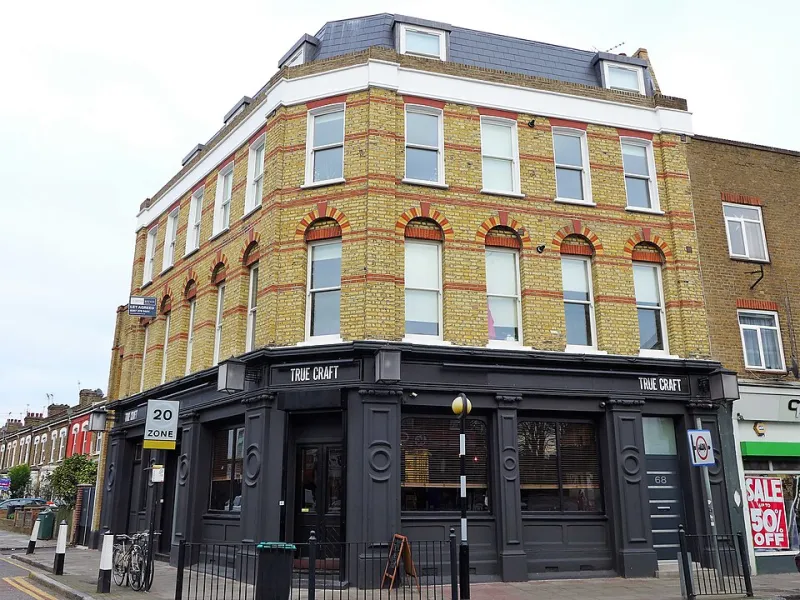
Photo: Ewan-M, CC BY-SA 2.0, via Wikimedia Commons
Walk into a well-run independent bottle shop and you'll feel it immediately. It's not just the floor-to-ceiling shelves of cans and bottles, or the cold case humming in the back, or the chalkboard listing what just dropped. It's the vibe — the sense that whoever put this place together actually cares. That every beer on that shelf got there because someone made a deliberate choice to put it there.
That feeling doesn't happen by accident. It's the result of years of hustle, relationship-building, and a stubborn refusal to let the biggest players in the beverage industry dictate what gets to exist on the shelves of your neighborhood.
The Distribution Problem Nobody Talks About Enough
Here's a quick primer on why independent bottle shops matter so much: the American alcohol distribution system is complicated, and not always in ways that favor small producers.
Under the three-tier system — manufacturer, distributor, retailer — breweries can't just sell directly to stores in most states. They need a distributor in the middle. And in most markets, a handful of large distributors dominate the landscape, prioritizing the high-volume brands that move the most product. For a small craft brewery producing 500 barrels a year, getting a distributor to champion your beer the way they champion a major national brand is an uphill battle.
That's where independent bottle shops come in. The best ones aren't just passive retailers waiting for a distributor to drop off a pallet. They're active advocates — seeking out small-production breweries, building direct relationships with brewers, and sometimes going to considerable effort to get beers into their stores that would otherwise never make it to their region.
"We've driven to pick up beer ourselves when we had to," says the owner of a beloved bottle shop in the mid-Atlantic region who asked to remain anonymous to avoid distributor friction. "If a brewery makes something I believe in and there's no other way to get it here, we find a way. That's what this is about."
The Art of the Curated Shelf
Spend any time talking to independent bottle shop owners and a word comes up again and again: curation. It's the thing that separates them from a big-box store with a beer aisle, and it's the thing their customers come back for.
Curation means making choices. It means saying no to a lot of products — even profitable ones — because they don't fit the shop's identity or values. It means saying yes to a small brewery's debut release even when the margins are thin, because you believe in what they're doing. It means constantly tasting, researching, and staying connected to what's happening in the brewing world so your recommendations actually mean something.
"Anyone can stock Bud Light," says one Chicago-area shop owner who built her business from a 400-square-foot storefront into a regional destination over eight years. "What I'm selling is my knowledge and my relationships. When someone comes in and asks me what's good right now, I want to be able to give them a real answer, not just point them at whatever the distributor is pushing this month."
That knowledge-driven approach has become a genuine competitive advantage in an era when you can technically buy beer anywhere. Customers who care about craft — and there are more of them every year — are willing to go out of their way for a shop that actually knows its stuff.
Events as Community Infrastructure
The smartest independent bottle shops have figured out something that the big players can't easily replicate: community is a moat. And the primary way they're building community is through events.
Bottle shares, tap takeovers, meet-the-brewer nights, guided tasting flights, beer-and-food pairing classes — these aren't just marketing gimmicks. They're genuine gathering points for people who are passionate about beer, and they create the kind of loyalty that no amount of advertising budget can manufacture.
In Denver, a shop called (appropriately enough) The Local Pour has built a waiting list for its monthly rare release events, where the owner personally walks attendees through each beer before they're allowed to purchase. In Asheville, a collective of bottle shop owners has started co-hosting quarterly festivals that double as fundraisers for local brewing industry workers in need. In Philadelphia, one shop's weekly Thursday night tasting has been running continuously for five years and has become a genuine institution in its neighborhood.
"The events aren't just good for business," explains one Texas-based retailer who hosts a standing Sunday afternoon bottle share. "They're good for the culture. They teach people to slow down, pay attention, and actually engage with what they're drinking. That's the whole point."
Going to Bat for the Little Guys
Beyond the retail floor and the event calendar, many independent bottle shop owners have taken on a more explicitly advocacy-oriented role in their local brewing ecosystems. They write letters to state liquor boards. They testify at hearings about direct-to-consumer shipping laws. They publicly call out distribution practices they believe are anti-competitive.
It's not glamorous work, and it's not what most of these folks signed up for when they opened a beer store. But they've come to understand that the health of their business is directly tied to the health of the small breweries they champion — and that those breweries need people in their corner who understand the retail side of the equation.
"Small breweries are often too busy making beer to fight the policy battles that affect their ability to sell it," says one shop owner who's become a regular presence at her state capital. "Somebody's got to show up for them. We try to be that somebody."
Why It Matters to You
If you're a craft beer drinker in America, independent bottle shops are a part of your ecosystem whether you realize it or not. They're the reason you can find that obscure saison from a tiny farmhouse operation in Vermont, or that limited-release barrel-aged stout from a one-man operation in rural Georgia. They're the reason small breweries have enough retail presence to stay viable while they build their reputations.
And they're increasingly under pressure — from rising rents, from the consolidation of distribution networks, from the sheer marketing muscle of the major beer companies. The ones that are surviving are doing it through creativity, community, and a genuine passion for the product that's hard to fake and impossible to manufacture at scale.
Next time you're in a city you've never visited before, skip the chain grocery store beer aisle and find the local bottle shop. Ask whoever's behind the counter what they're excited about right now. Chances are, you're about to discover something you never would have found on your own — and you'll be supporting exactly the kind of place that makes American craft beer worth caring about.